

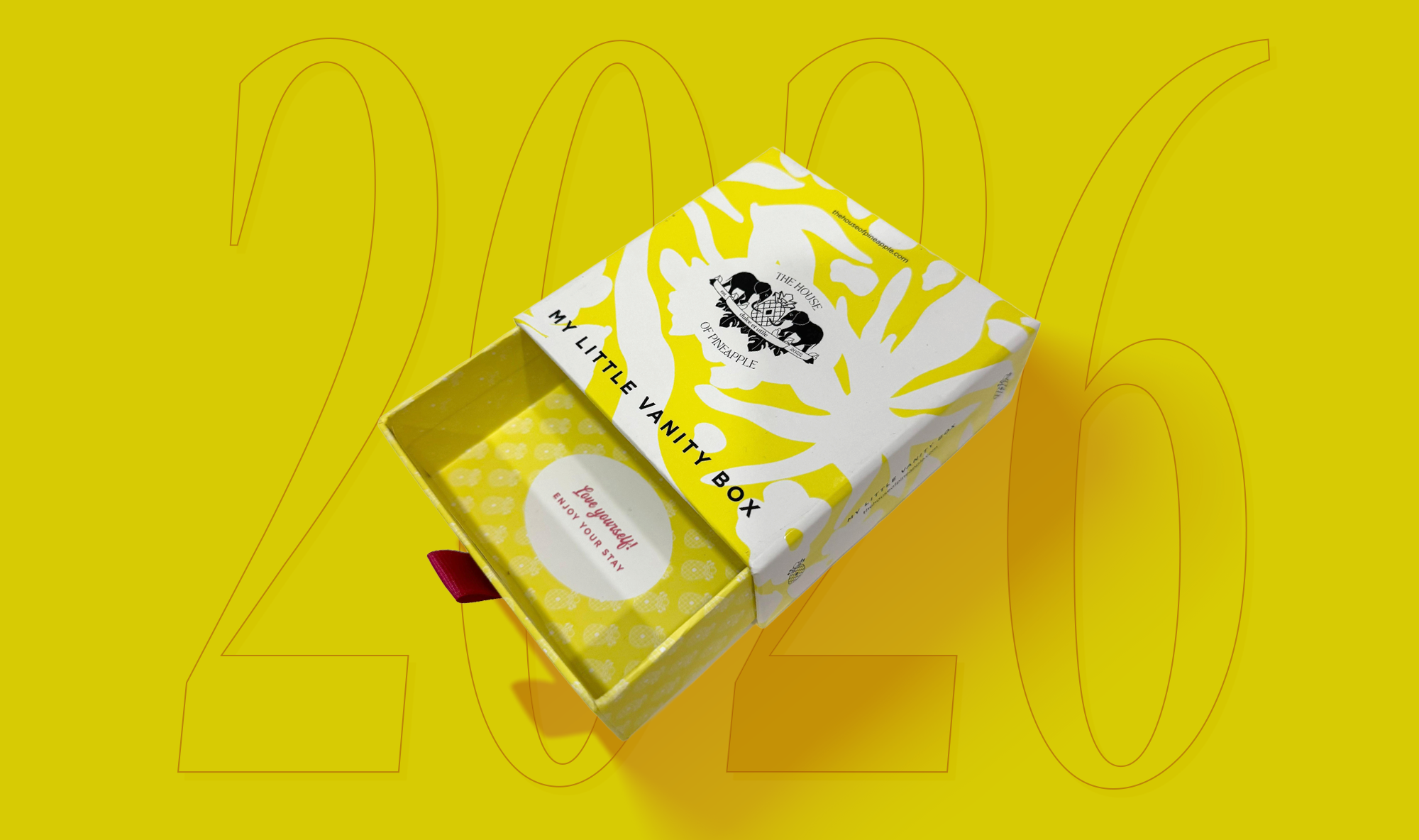
Beauty packaging has always been a language—silent, tactile, and remarkably expressive. It tells consumers what to expect long before they touch the product, and it signals where a brand belongs in the hierarchy of price, quality, and desire. As we move toward 2026, that language is shifting. Beauty brands are renegotiating how luxury, sustainability, and sensory experience coexist inside a single box.
Quiet Luxury on the Shelf
One of the most noticeable shifts is toward what many are calling “quiet luxury.” In beauty, this doesn’t mean muted creativity; it means refinement. Logos shrink, typography becomes disciplined, and finishes take on more responsibility for perceived value. Soft-touch lamination, subtle embossing, and matte coatings now do the heavy lifting once reserved for foil and gloss. Skincare brands, especially dermo-cosmetic and wellness-focused labels, have adopted this aesthetic aggressively. The result is packaging that whispers “efficacy and calm,” rather than shouting “luxury and excess.”
Sustainability Without Compromise
Sustainability has officially graduated from niche demand to baseline expectation—especially among Gen Z and millennial beauty buyers. But the interesting twist of 2026 is not sustainability itself; it’s sustainability without aesthetic compromise. FSC-certified board, recycled paper, and plastic-free inserts are gaining traction, but not at the cost of premium execution. Premium folding cartons with soft-touch finishes or restrained foil accents are replacing rigid constructions in categories that historically leaned heavily on wrapped rigid boxes. This isn’t a downgrade; it’s a recalibration of value.
Collapsible rigid structures and molded pulp inserts are also rising. They offer the premium feel of rigid packaging with better logistical efficiency and a cleaner sustainability narrative. For PR kits and gifting sets—two areas where beauty brands still love drama—these hybrid structures are particularly powerful.
The Unboxing Moment Becomes Media
Unboxing has been around for more than a decade, but in beauty it has transformed into something more architectural. The box is no longer just a protective shell; it’s a performance stage. Drawer boxes, magnetic-lid rigid, and shoulder-neck constructions create reveals and pauses—small theatrical cues in the consumer journey. For influencer seeding and PR mailers, these micro-moments are now designed deliberately.
What’s new in 2026 is that brands are designing packaging not only for the consumer but for the camera. Soft-touch surfaces photograph elegantly; holographic accents capture attention in video; and interior printing makes the final shot feel intentional. Packaging has always been marketing, but now it’s also content.
Color & Hierarchy as Strategy
Color is no longer just a branding tool—it’s SKU logic, category placement, and digital readability. Beauty brands are refining shade differentiation using Pantone spot colors, gradient systems, and micro-typographic hierarchy. Shelf impact still matters in physical retail, but digital storefronts and D2C environments have added a new layer: color must read well on-screen and at thumbnail sizes.
Typography is evolving similarly. Claims such as SPF 50, hyaluronic acid, or vegan certification compete for visibility, but the smartest brands are rethinking hierarchy: brand first, benefit second, variant third. This structure helps consumers understand what they’re buying in under two seconds, whether they’re scanning a pharmacy shelf or scrolling TikTok.
Premium Finishes Go More Tactile
If 2020–2022 was the era of glossy holographic play, 2026 is about feel. Beauty consumers increasingly associate tactility with honesty and formulation quality. Embossed logos, debossed borders, and light texturing create subtle sensory markers. Even chocolate and fragrance have tapped into tactile finishes to elevate perceived indulgence.
The Takeaway for 2025
Beauty packaging in 2026 is defined by reconciliation:
— luxury × sustainability
— retail × digital
— tactile × visual
— storytelling × logistics Brands that will stand out are the ones that understand packaging as both an operational system and an emotional artifact. In beauty, the box is never just a box—it’s a promise.